
Six Matanuska Books
The Valley, the Project, the Barns - and the News

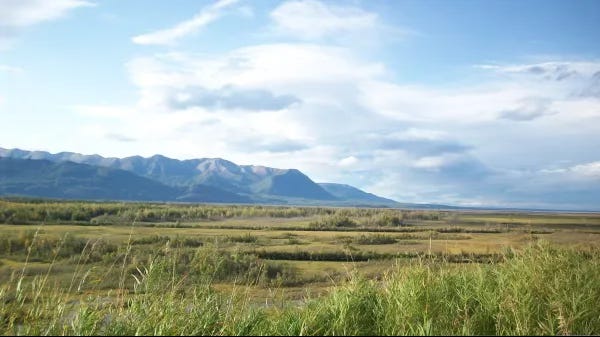
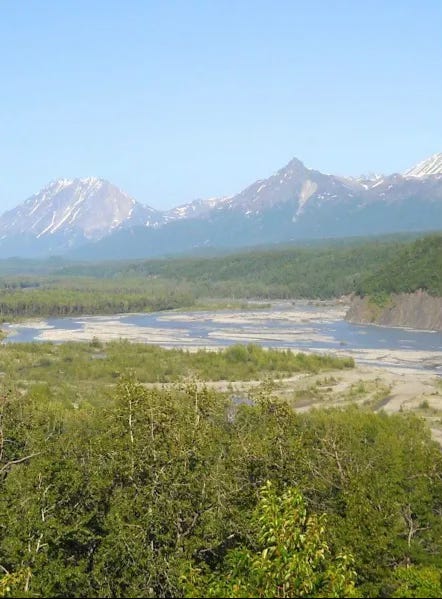
Alaska’s Matanuska Valley has seen a wealth of history, from the Dene’ina people who first called it home, to the exploratory expeditions of Captain Edwin Forbes Glenn, the U. S. Army officer in charge of explorations in south-central Alaska in 1898 and 1899. Glenn’s reports were filled with now-familiar names such as geologist W. C. Mendenhall, who made the first rough geological survey of the Matanuska Valley; guide H. H. Hicks, who had been prospecting up the Matanuska River; and Lieut. J. C. Castner, who was sent to explore the Matanuska River canyons with Hicks while Capt. Glenn waited at Knik for their pack mules to arrive.
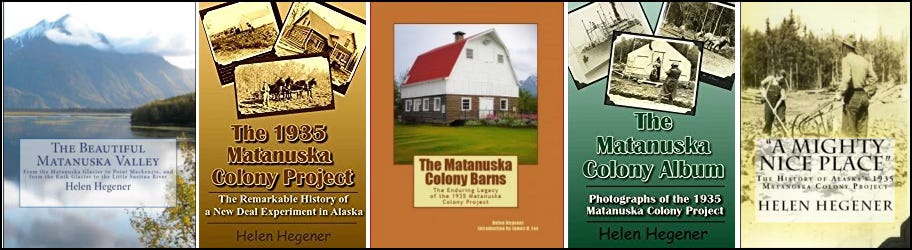
I have written five books about this marvelous part of Alaska, from The Beautiful Matanuska Valley, which explores the history and present-day places of interest, to The 1935 Matanuska Colony Project and the iconic Matanuska Colony Barns which still grace the landscape. Two earlier books about the Colony Project, divided into the history and the photographs and were later combined into one book, complete the collection.
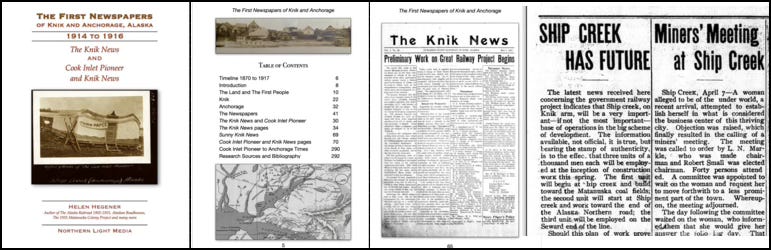
One more book which covers a large amount of Matanuska Valley history is my 2024 book The First Newspapers: The Knik News and Cook Inlet Pioneer and Knik News 1914-1916, which detailed the history via the first newspapers published in this area. The book opens with a brief history of the Cook Inlet region, the land and its first inhabitants, the Dena’ina. The stories of the towns of Knik and Anchorage follow, giving context for the coming of the newspapers, and then the newspaper histories lead into the actual pages of each publication, reprinted in full from archives at the Library of Congress.
Articles from my books at the archives:
A History of the Land - “A Mighty Nice Place,” The History of the 1935 Matanuska Colony Project, by Helen Hegener, was published by Northern Light Media in July, 2016. This history of the Matanuska Valley is excerpted from the second chapter of the book.
Pioneering Farmers in the Matanuska Valley - The moderate climate and rich soils of south central Alaska’s beautiful Matanuska Valley attracted farmers who provided a welcome supply of fresh vegetables to gold and coal miners.
Colony Barns: Monarchs of the Matanuska Valley - In The Matanuska Colony Barns: The Enduring Legacy of the 1935 Matanuska Colony Project, by Helen Hegener, features the barns of the last great government-sponsored pioneering adventure, the largest, most expensive, and most audacious of the planned communities built by President Franklin Delano Roosevelt’s New Deal for America.
The 1935 Matanuska Colony Project - The Matanuska Colony Project was part of President Franklin Delano Roosevelt’s optimistically grandiose New Deal, a series of economic programs designed to provide the “3 R’s”: Relief, Recovery, and Reform.” Relief for the poor and the unemployed, Recovery of the economy to normal levels, and Reform of the financial system to prevent a repeat depression.
Colony Days
Scheduled for June 12-14 this year, Colony Days is Palmer’s signature summer celebration, honoring the Valley’s rich agricultural roots, pioneer history, and strong community spirit, a fun-filled weekend in downtown Palmer featuring events for all ages.
Featuring the iconic Grand Parade, lively vendor markets, live entertainment, family-friendly activities, local food, and so much more, Colony Days brings together residents, visitors, businesses, and community organizations to celebrate everything that makes Palmer unique.
